
How to Puppy-Proof Your Home: A Room-by-Room Safety Checklist
Puppy-proofing works best when you remove access to hazards instead of expecting a young dog to ignore them. Use this room-by-room inspection before pickup and repeat it as the puppy grows.
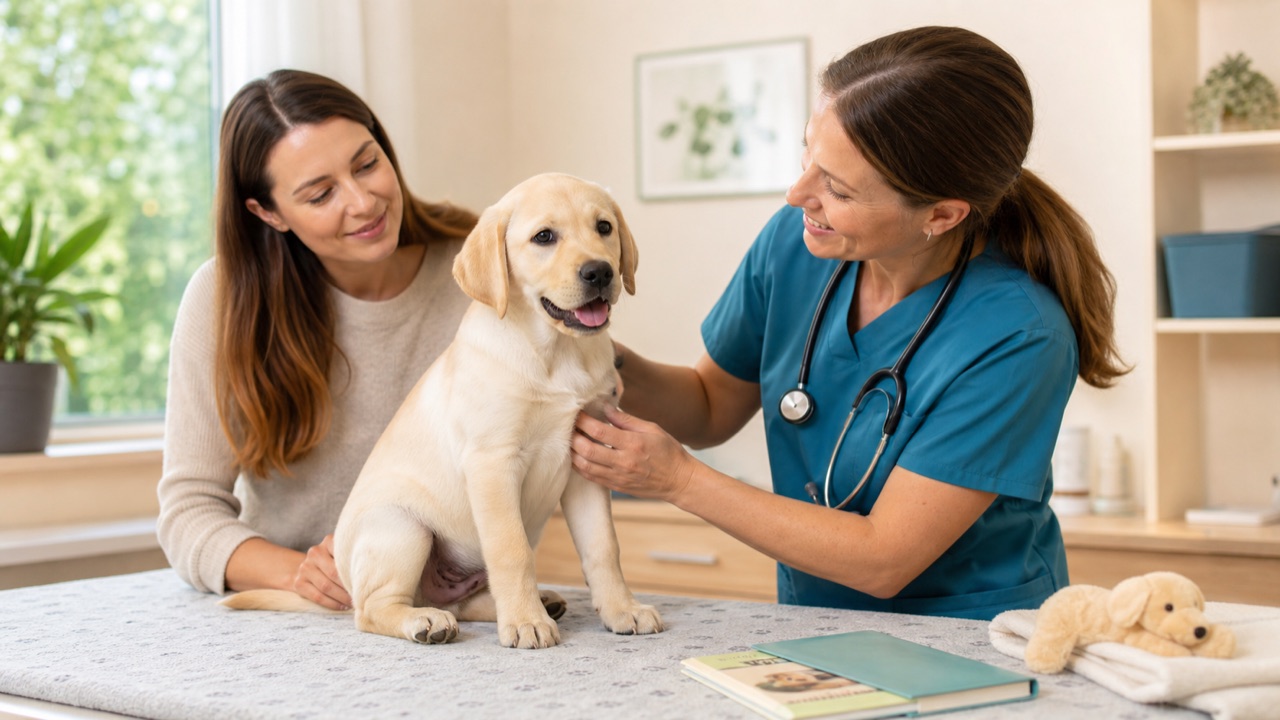
Puppy-proofing works best when you remove access to hazards instead of expecting a young dog to ignore them. Puppies investigate with their mouths, fit through surprising gaps, and can reach higher surfaces as they grow.
Walk through the home at puppy height before pickup, then repeat the inspection after you observe what attracts your individual dog. This checklist cannot cover every product or plant. If exposure may have occurred, contact a veterinarian or animal poison service promptly rather than waiting for symptoms.
Start with containment and supervision
Choose a manageable puppy area with a gate, pen, or closed door. Remove cords, small objects, medications, chemicals, and unstable furniture from that zone. Provide suitable resting, water, toileting, and supervised chewing options.
Containment is not a substitute for interaction. It creates a safer place for moments when direct supervision is impossible. Check gates and pens against the manufacturer’s instructions and the puppy’s size and climbing ability.
Kitchen and dining area
- Store food, trash, compost, and food packaging behind secure doors.
- Keep medications, vitamins, supplements, and sweetened products inaccessible.
- Remove access to raw yeast dough, alcohol, grapes and raisins, chocolate, onions, and products containing xylitol.
- Do not leave cooked bones, skewers, string, foil, or greasy wrappers within reach.
- Use barriers while cooking so the puppy cannot reach hot surfaces, knives, or dropped food.
ASPCA Animal Poison Control lists common people foods that can harm pets and advises contacting a veterinarian or poison control after suspected ingestion. ASPCA foods to avoid
Bathroom, laundry, and cleaning storage
- Close toilet lids and store medications and personal-care products in secured cabinets.
- Keep detergent pods, dryer sheets, cleaners, batteries, and pest products inaccessible.
- Check laundry for socks, underwear, dryer sheets, and medication containers.
- Keep the puppy out of a cleaned area until the product label says it is safe and surfaces are ready for contact.
“Natural” does not automatically mean harmless. Follow product labels and seek case-specific advice after an exposure. ASPCA household product guidance
Living room, office, and bedrooms
- Route electrical and charging cords out of reach or use suitable protective management.
- Pick up coins, earbuds, jewelry, hair ties, children’s toys, remote batteries, and craft supplies.
- Secure blind cords, curtain ties, and dangling fabric.
- Anchor furniture that could tip and block access behind recliners or moving furniture.
- Research every plant by its exact identity; relocate uncertain plants until verified.
- Use a lidded hamper and close closets.
Offer puppy-safe toys of an appropriate size and inspect them frequently. Discard damaged items that can release pieces. Ask your veterinarian about suitable chews for the puppy’s age and teeth.
Garage, yard, balcony, and entry
- Secure antifreeze, fuels, paint, fertilizers, pesticides, tools, and vehicle fluids.
- Inspect fencing at ground level and test every gate latch.
- Remove sharp debris and identify plants and mushrooms before allowing access.
- Never rely on a balcony railing to contain a small puppy.
- Create an entry routine so the puppy cannot rush through an exterior door.
- Keep collar identification and microchip contact information current.
Create an emergency card
Post the regular veterinarian, nearest emergency hospital, and poison-control contact where every caregiver can find them. Include the puppy’s weight, medications, microchip number, and insurance details if applicable.
If exposure occurs, save the package or photograph the label. Do not induce vomiting or give a home remedy unless a veterinarian or poison professional specifically instructs you to do so.
Five-minute daily reset
At the end of each day, scan floors, low tables, bags, charging areas, laundry, trash, and doors. A home that was safe in the morning can change after groceries, visitors, deliveries, or a child’s project.
Frequently asked questions
When can I stop puppy-proofing?
There is no fixed age. Expand access gradually after the dog has demonstrated reliable behavior under supervision, and keep toxic or dangerous items secured throughout life.
Are baby gates always safe for puppies?
No product is universal. Check spacing, height, mounting, pinch points, and whether the puppy can climb or knock it over.
What should I do if my puppy ate something unknown?
Contact a veterinarian or animal poison service promptly. Share the item, possible amount, time, puppy’s weight, and current signs.
Can training replace putting hazards away?
No. Training is useful, but environmental management prevents access while the puppy is learning and when no one is watching.
How We Researched This Guide
We reviewed ASPCA Animal Poison Control guidance on household products and foods, ASPCA destructive-chewing management, and AAHA’s puppy life-stage checklist on September 26, 2026. The room checklist is an original editorial organization of those hazard categories, not an exhaustive toxicology reference.