
How to Crate Train a Puppy Without Using the Crate as Punishment
Crate training should build comfort with a safe resting space. Move from an open door to short absences at the puppy’s pace, and use a separate plan for exercise, toileting, and alone-time skills.
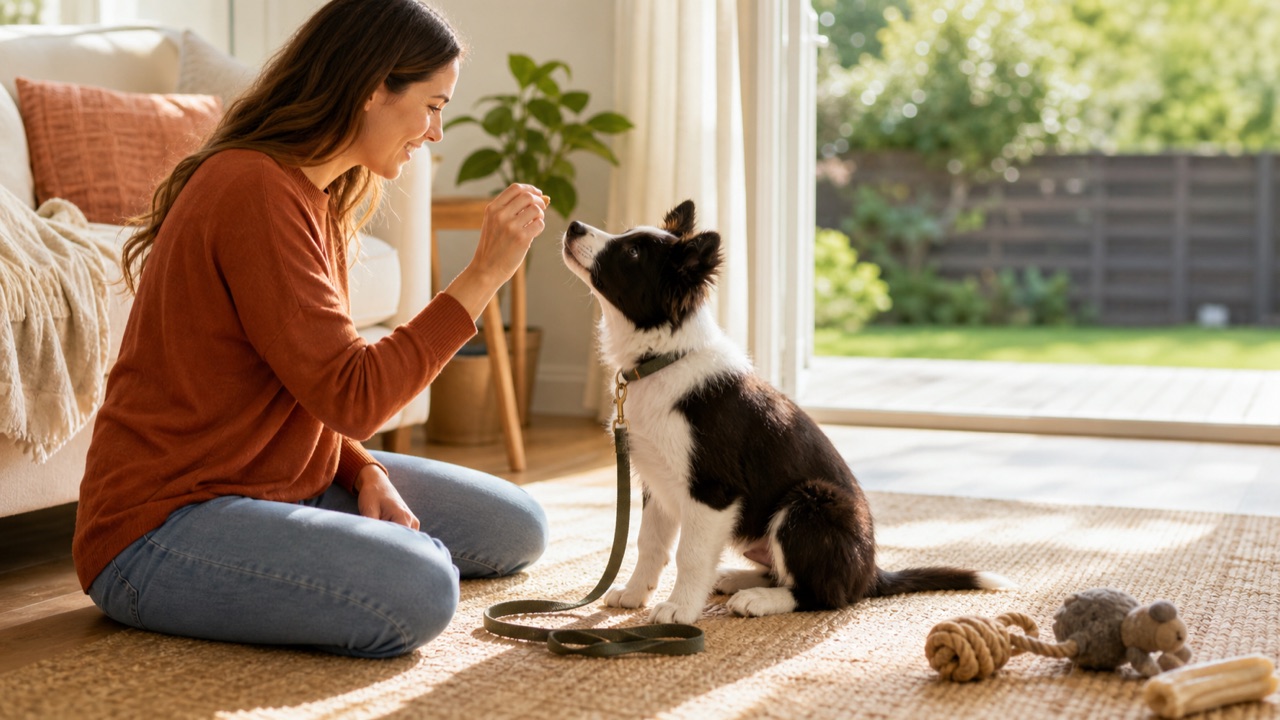
Crate training should build comfort with a safe resting space. A crate is useful for travel, veterinary care, household management, and short periods of confinement, but it should not become a place where a puppy is sent in anger.
The goal is voluntary entry and relaxed rest. Progress depends on the individual puppy, previous experience, toileting needs, and how gradually the steps are introduced.
Choose and place the crate carefully
The puppy should be able to stand, turn around, and lie down comfortably. Follow the crate manufacturer’s setup and safety instructions. Remove a collar or equipment if it could catch, based on veterinary and product guidance.
Place the crate where the puppy can rest without being isolated from ordinary family life. For early nights, many owners position it near the sleeping area so they can notice a genuine toileting need.
Teach the crate in small steps
- Open-door discovery: secure the door open and place food just inside. Let the puppy enter and leave.
- Comfort inside: feed part of a meal or offer a veterinarian-approved food toy while the door remains open.
- Brief door movement: close the door for a moment while the puppy is relaxed, then open it before distress builds.
- Short duration: add seconds gradually while you remain nearby.
- Small distance: take one step away, return, and release calmly.
- Realistic absences: practice short, ordinary departures only after the earlier steps are comfortable.
AKC’s crate-training guidance also frames the crate as a safe space rather than punishment. AKC crate training guidance
Read the puppy instead of racing the clock
What you observe | Possible next step |
|---|---|
Loose body, takes food, settles | Repeat, then make one small increase. |
Stops eating, repeatedly exits, scans the room | Reduce duration or difficulty. |
Persistent vocalizing, frantic escape attempts, heavy distress | End safely, reassess the plan, and seek professional guidance. |
Wakes and becomes restless after sleeping | Consider a calm toileting trip appropriate to age and routine. |
Do not use “cry it out” as a universal answer. Vocalizing can reflect frustration, fear, discomfort, or a toileting need. The response should fit the cause.
Separate crate training from alone-time training
A puppy can like a crate when you are nearby and still struggle when left alone. Practice those skills separately. Begin with very short departures and return before the puppy becomes overwhelmed.
Exercise, social contact, toileting, and mental activity must happen outside the crate. Confinement cannot replace those needs.
Keep training reward-based
AVSAB recommends reward-based methods and states that aversive methods should not be used for dog training or behavior modification. Teach the puppy what to do and arrange the environment for success. AVSAB humane dog training statement
Never shake, hit, or deliberately frighten a puppy in a crate. Do not use confinement to avoid addressing pain, panic, or a behavior problem.
Crate setup checklist
- The crate is the correct size and assembled according to instructions.
- The location supports quiet rest and appropriate supervision.
- The puppy has toileted before a planned rest period.
- Food toys and bedding are appropriate for this puppy and supervised as needed.
- Everyone in the household uses the same release and bedtime routine.
- A caregiver plan exists when the puppy cannot comfortably remain confined.
Frequently asked questions
How long should crate training take?
There is no reliable universal deadline. Some puppies progress quickly; others need smaller steps over a longer period.
Should I put the puppy in the crate after an accident?
No. Clean the area and improve supervision and scheduling. Using the crate as punishment can undermine comfort with it.
Can a crate prevent separation anxiety?
A crate is not a treatment for separation-related distress. If departures cause panic or escalating distress, consult a veterinarian and qualified behavior professional.
Must every dog sleep in a crate forever?
No. It is a management and safety skill. Long-term sleeping arrangements depend on the dog and household.
How We Researched This Guide
We reviewed AKC crate-training guidance and AVSAB’s humane dog training statement on September 26, 2026. The step sequence and observation table are editorial tools for gradual practice, not a fixed confinement schedule.