
How to Introduce a New Puppy to Your Resident Dog
A successful introduction is managed, gradual, and designed for both dogs. Use neutral movement, separate resources, barriers, rest, and close supervision instead of expecting instant friendship.
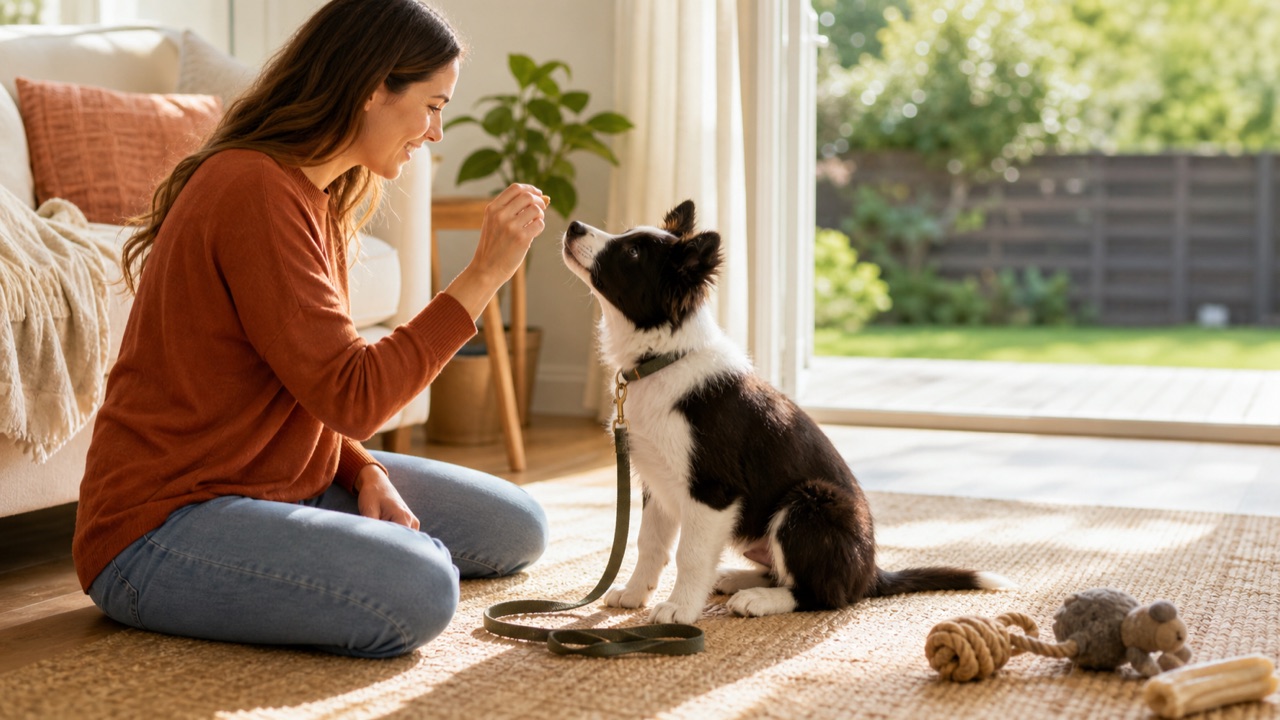
A successful introduction is managed, gradual, and designed for both dogs. The resident dog should not be expected to entertain or raise the puppy, and the puppy should not be allowed to ignore every request for space.
History, health, pain, size, play style, and previous dog interactions all matter. If the resident dog has a history of aggression or serious fear, arrange qualified professional help before the first meeting.
Prepare separate resources first
- Create separate resting and feeding areas.
- Use gates, pens, rooms, and positively trained crates for safe rotation.
- Remove high-value food and toys from the first interactions.
- Keep the resident dog’s established walks, rest, and one-to-one time as consistent as possible.
- Plan for the puppy to nap away from the older dog.
Have both dogs’ health and preventive-care plans reviewed by a veterinarian. A puppy’s disease-exposure plan may limit where an introduction should occur.
Use a low-pressure first meeting
When appropriate, two handlers can begin with parallel movement in a suitable neutral area, leaving enough distance for loose body language. Avoid forcing a face-to-face greeting or tightening the leashes until the dogs cannot move naturally.
AKC’s guidance on adding puppies to homes with older dogs emphasizes neutral introductions, management, separate feeding, routine, and careful supervision. AKC puppy and resident dog introductions
Read interaction as a two-dog conversation
More comfortable signs | Reason to pause or add distance |
|---|---|
Loose movement, curved approaches, play bows | Stiff posture, hard staring, freezing |
Mutual pauses and role changes in play | One dog repeatedly trying to escape or hide |
Both dogs voluntarily return after a break | Persistent chasing, pinning, cornering, or mounting |
Ability to disengage and rest | Escalating growling, snapping, or inability to settle |
A growl is information. Punishing it may suppress a warning without resolving discomfort. Calmly create space and examine what happened before the signal.
Use consent breaks during play
Periodically guide the more intense dog away in a cheerful, practiced manner. If the other dog re-engages with loose behavior, play may continue. If the other dog leaves, rests, or seeks distance, respect that choice.
Balanced play does not require identical size, but size differences increase the need for management. Stop interactions before either dog becomes exhausted or over-aroused.
Manage food, toys, attention, and doorways
Feed separately and pick bowls up afterward. Introduce toys one at a time only when you understand each dog’s behavior around resources. Avoid crowded greetings at doors and narrow hallways.
Do not leave the dogs together unsupervised until a long record of safe, relaxed interaction supports that decision. Some households should continue separation when no adult is present.
Protect the resident dog’s quality of life
An older or painful dog may need more uninterrupted rest and may not enjoy puppy play. Schedule veterinary care for possible pain or a sudden behavior change. Preserve access to favorite people and routines without requiring the resident dog to share every activity.
AKC also cautions against making adult dogs responsible for entertaining or teaching puppies. AKC adult dogs and new puppies
Introduction checklist
- Each dog has a separate safe area.
- Two capable handlers are available for the first meeting when needed.
- Food and high-value items are removed from early interactions.
- I can recognize when either dog wants distance.
- Play includes pauses and voluntary re-engagement.
- The dogs are separated when supervision is unavailable.
Frequently asked questions
Should the dogs meet inside the house first?
A lower-pressure neutral introduction is often useful, but the right location also depends on vaccination, safety, and the dogs. Plan it with your veterinarian or behavior professional.
Should I let the resident dog correct the puppy?
Do not make the resident dog responsible for training. Supervise, interrupt puppy harassment, and provide escape and rest before conflict escalates.
How long until they become friends?
There is no deadline and friendship is not guaranteed. Aim first for safe, calm coexistence.
When should I seek professional help?
Seek help before introductions when there is a serious aggression history, and promptly for escalating conflict, injury, persistent fear, or inability to manage safely.
How We Researched This Guide
We reviewed AKC resources on introductions, senior dogs, and adult-dog needs plus AVSAB’s humane training statement on September 26, 2026. The interaction table is a general observation aid, not a remote behavior assessment.