
Puppy Potty Training Schedule: Build a Routine From Real Observations
A useful potty schedule is based on the puppy’s meals, sleep, play, and actual accident log. Start with frequent opportunities, reward the correct location, and adjust before accidents happen.
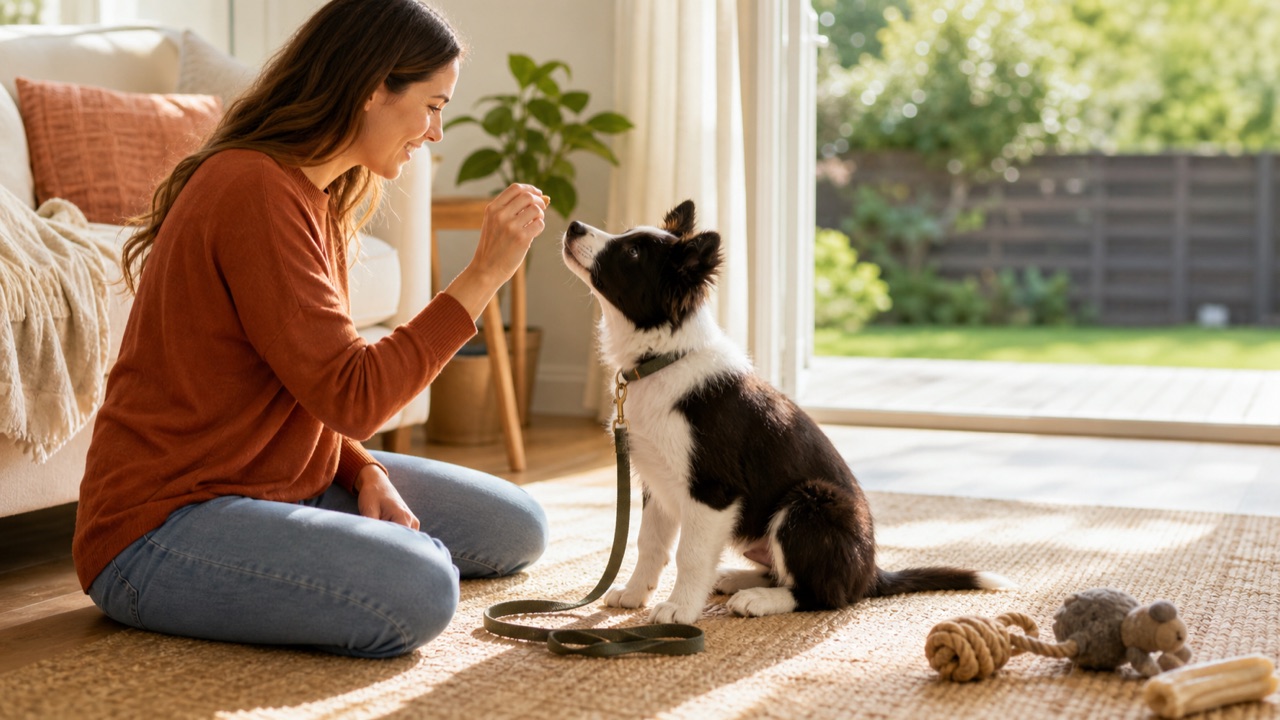
A useful potty schedule is based on the puppy’s meals, sleep, play, and actual accident log. A generic age formula can be a rough planning prompt, but it is not a promise that an individual puppy can wait that long.
Begin with frequent opportunities, direct supervision, and immediate reinforcement in the correct location. Adjust the schedule from evidence instead of punishing mistakes.
Anchor trips to predictable events
Take the puppy to the chosen toilet area after waking, eating, drinking, energetic play, training, and time in a crate or pen. Include a trip immediately before bed and as soon as the household wakes.
AKC’s housetraining guidance emphasizes consistency, supervision, a predictable schedule, and positive reinforcement. AKC puppy housetraining guide
Use a seven-day observation log
Record | What it helps you change |
|---|---|
Meal and water times | Connect intake with later bathroom needs. |
Sleep and wake times | Plan an immediate trip after rest. |
Successful trips | Identify reliable intervals and locations. |
Accident time and preceding activity | Shorten the interval or add a trip after that event. |
Stool or urine changes | Spot a possible health concern to discuss with a veterinarian. |
Write facts, not blame. “Urinated at 3:10 after ten minutes of play” gives you a scheduling clue. “Was stubborn” does not.
Make the correct choice easy to understand
- Go to the same practical location using a calm route.
- Wait quietly and minimize play until the puppy eliminates.
- Mark and reward immediately after completion in the correct place.
- Allow a little supervised exploration or play afterward when appropriate.
- If nothing happens, return to close supervision and try again soon.
Reward timing matters. Waiting until you return indoors may teach that the reward is for coming through the door rather than eliminating outside.
Prevent unsupervised rehearsals
When the puppy is awake, use active supervision, a tether handled safely, a pen, a gated puppy area, or a positively trained crate. The choice should match the puppy and situation. Confinement duration must respect age, comfort, exercise, and toileting needs.
Watch for sniffing, circling, wandering away, pausing play, or moving toward a previous accident location. Take the puppy out calmly rather than waiting to be certain.
Handle accidents without punishment
If you notice an accident beginning, interrupt gently only if you can do so without frightening the puppy, then move to the toilet area. If you find it later, clean it. The puppy cannot connect delayed punishment with the earlier behavior.
Use an appropriate cleaner and follow its label. Improve the schedule and supervision. AVSAB’s humane training statement supports reward-based teaching and environmental management rather than aversive methods. AVSAB humane dog training statement
Know when the problem may be medical
Contact a veterinarian about sudden regression, straining, frequent small urinations, blood, persistent diarrhea, increased thirst, pain, lethargy, or an inability to eliminate. Training changes are not a substitute for medical assessment.
Daily schedule checklist
- Morning wake-up trip happens before play.
- Meals are measured and times are recorded.
- Trips follow naps, meals, drinking, and active play.
- Rewards are ready at the toilet location.
- Unsupervised access is limited to a safe managed area.
- The log is reviewed each evening for the next day’s adjustment.
Frequently asked questions
How often should a puppy go outside?
Needs vary. Start with frequent event-based trips and use the puppy’s log to adjust. Arrange caregiver help if your schedule cannot meet those needs.
Should I limit water to prevent accidents?
Do not restrict water without veterinary guidance. Record drinking and ask your veterinarian about an appropriate routine.
Are potty pads always confusing?
They can be part of a deliberate plan for some households. Decide on the long-term toilet location and use consistent cues and management.
Why did a trained puppy suddenly start having accidents?
Changes in health, routine, environment, access, or supervision may contribute. Sudden or persistent regression deserves veterinary discussion.
How We Researched This Guide
We reviewed AKC housetraining resources and AVSAB’s humane dog training statement on September 26, 2026. The seven-day log is an original editorial worksheet for identifying patterns, not a physiological guarantee.