
Best Puppy for Apartment Living: A Practical Decision Guide
The best apartment puppy fits the household’s real exercise, noise, training, grooming, size, and alone-time limits—not simply the smallest breed.
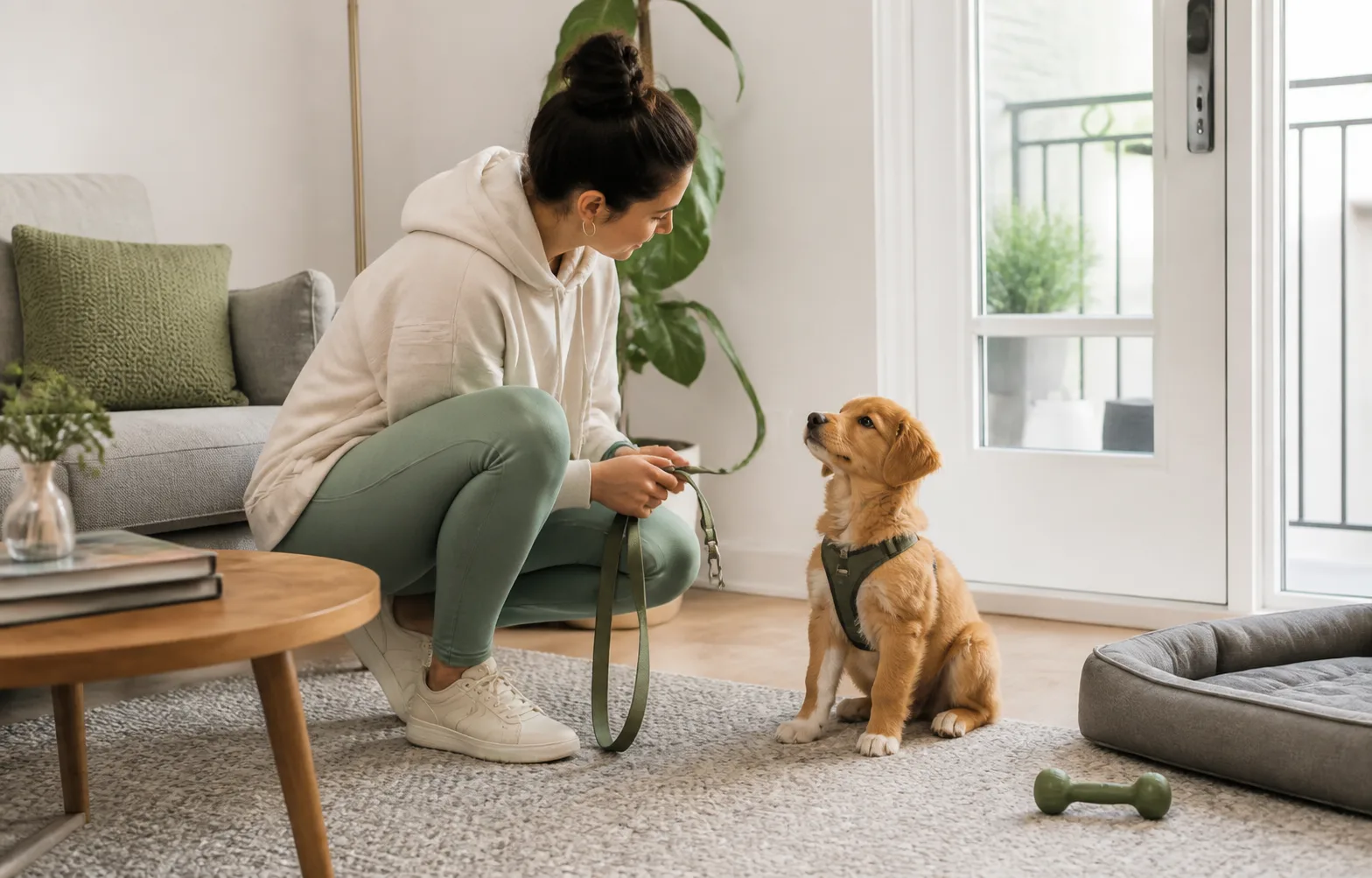
Quick answer: An apartment-friendly puppy is one whose adult activity, noise, size, grooming, and training needs match the owner’s schedule and building rules. Small size can help with space and transport, but some small dogs are highly vocal or energetic. A larger calm adult can sometimes be easier than a small high-intensity puppy.
Evaluate the building and daily route
Check lease, insurance, breed or weight limits, pet fees, elevator access, stairs, nearby toilet areas, and noise expectations before reserving a puppy. Consider how often a very young puppy can be taken outside and what happens during bad weather or an elevator outage.
Shared hallways and close neighbors make barking, door excitement, and calm passing skills especially important. Puppies need gradual training for household sounds, people at the door, elevators, surfaces, and short periods alone.
- Confirm written pet and insurance rules.
- Map safe toilet and walking areas.
- Plan for stairs or elevator delays.
- Budget time for frequent early outings.
Compare needs, not labels
Ask about the parents’ adult behavior and how puppies from previous litters matured. Energy, vocal tendency, prey drive, sensitivity, shedding, grooming, and trainability can matter more in a small home than the dog’s height.
Every breed contains individual variation. A breed guide describes tendencies, not a guarantee. The breeder should match observations of the current puppy to the buyer’s routine and be willing to discuss difficult traits as well as attractive ones.
- Estimate adult exercise and enrichment needs.
- Discuss barking and recovery from excitement.
- Plan coat care and shedding cleanup.
- Consider transport and emergency evacuation.
Build an apartment puppy plan
Create a safe sleeping and confinement area, a predictable toilet schedule, short positive training sessions, and appropriate enrichment. Do not try to solve high energy only with long repetitive exercise in a growing puppy; combine movement, sniffing, rest, training, and veterinary guidance.
Alone-time skills should be taught gradually. If the puppy will regularly be alone longer than it can manage, arrange a trusted caregiver. Persistent distress, nonstop barking, or inability to settle deserves help from a qualified trainer or veterinary behavior professional.
- Use a realistic workday care schedule.
- Teach calm hallway and door behavior.
- Provide mental enrichment and adequate sleep.
- Choose reward-based professional support early.
Frequently asked questions
Are small breeds always best for apartments?
No. Size is only one factor. Noise, energy, toilet logistics, sensitivity, grooming, and alone-time tolerance can be equally important.
Can an active breed live in an apartment?
Sometimes, if the household consistently meets exercise, training, enrichment, rest, and management needs. The address does not replace the daily routine.
What if my building has breed restrictions?
Confirm the written policy and insurance requirements before paying a deposit. Do not assume an informal exception will remain valid.
Sources and review notes
Compare breed profiles in the AKC dog breed directory, then verify housing rules and discuss exercise and health limits with your veterinarian. This article is educational and does not replace veterinary, legal, insurance, or financial advice.