
Poodle Puppy Care & FAQ for New Owners
A practical Poodle puppy care guide covering grooming, exercise, feeding, training, socialization, veterinary care, and breeder health questions.
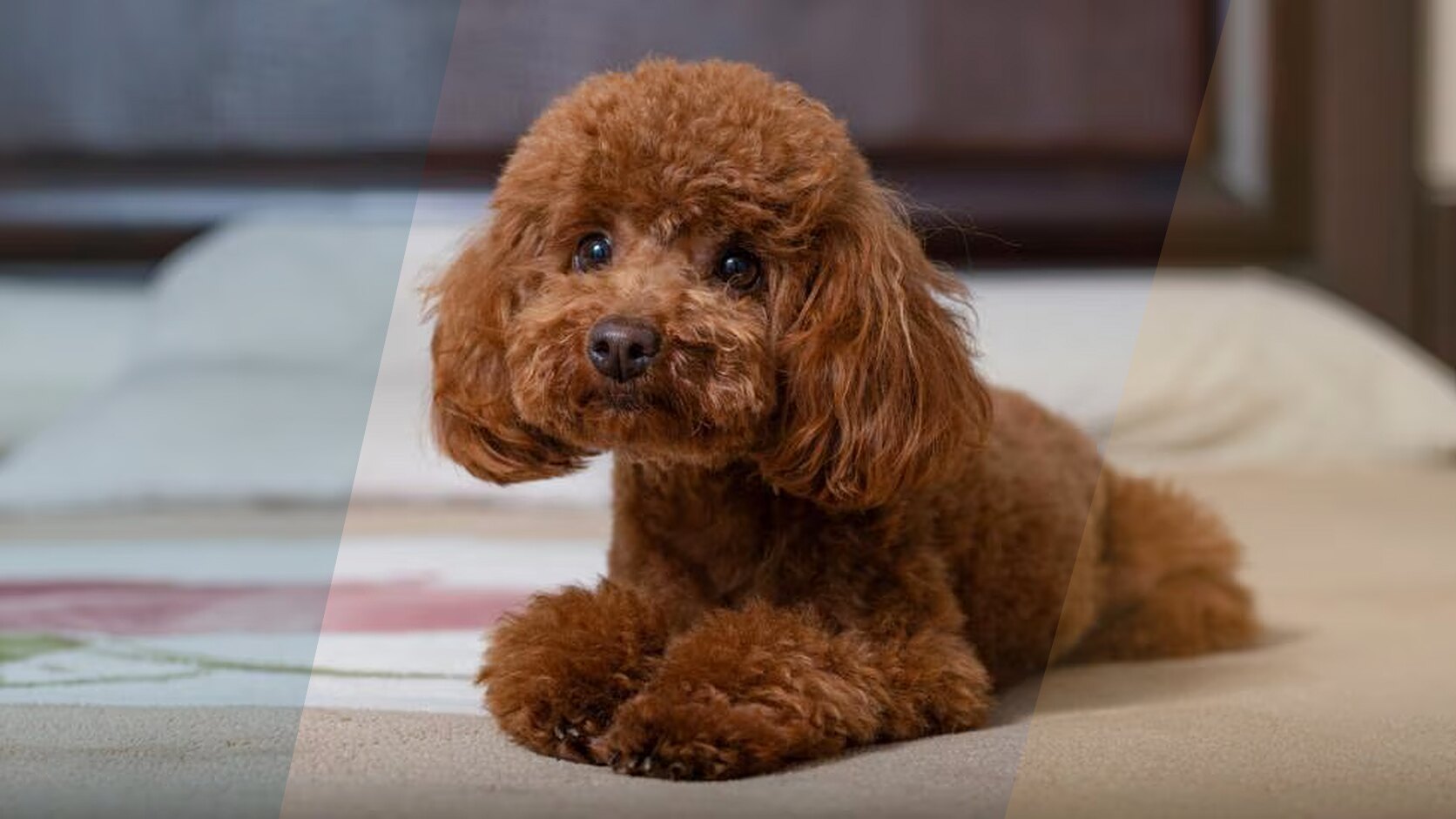
Bringing home a Toy, Miniature, or Standard Poodle puppy means planning for more than a curly coat. Poodles are active, people-focused dogs that need consistent training, daily activity, regular grooming, and preventive veterinary care. The puppy's size, age, health, and temperament should shape the routine.
This guide gives new owners a practical starting point. Your veterinarian and groomer can adapt the schedule to the individual puppy, and the breeder or seller should provide clear health and veterinary records before a commitment is made.
Poodle puppy care at a glance
- Coat care: brush often enough to prevent tangles and arrange professional grooming on a schedule that suits the coat and trim.
- Exercise: provide age-appropriate walks, play, and mental enrichment without forcing a growing puppy into strenuous repetitive exercise.
- Training: use short, consistent, reward-based sessions and teach calm handling from the start.
- Food: feed a complete diet formulated for the puppy's life stage and follow veterinary advice on portions and growth.
- Health: establish a veterinarian relationship promptly and keep vaccination, parasite prevention, dental, and screening records.
Grooming a Poodle puppy
A Poodle's dense, curly coat grows continuously and can mat when loose hair and tangles are not removed. There is no single grooming interval that fits every puppy. Coat length, activity, swimming, weather, and the chosen trim all affect how often brushing, bathing, clipping, ear checks, and nail care are needed.
Start with brief handling sessions at home: touch the feet, look at the ears and mouth, introduce a brush gently, and reward calm behavior. Ask a professional groomer to demonstrate the right tools and technique. A puppy should become comfortable with the sound and feel of grooming equipment gradually.
Do not put cotton swabs or home remedies into the ear canal. Redness, odor, discharge, persistent scratching, pain, or head shaking should be discussed with a veterinarian rather than treated by guesswork.
Exercise and mental enrichment
Poodles benefit from daily physical activity and problem-solving. A useful routine can combine short walks, play, sniffing, simple training, food puzzles, and calm rest. Increase duration gradually as the puppy grows. The goal is a sustainable routine, not exhausting the puppy.
Swimming may suit some Poodles, but water access should be supervised and introduced safely. Avoid assuming every dog is a confident swimmer. In hot weather, use cooler parts of the day and provide shade and water.
Training and socialization
Begin with the skills that make everyday life safer: responding to a name, coming when called, settling on a mat, walking on a loose leash, leaving unsafe items, and accepting gentle handling. Keep sessions short and reward the behavior you want repeated.
Socialization is controlled, positive exposure—not forcing a puppy to greet every person or dog. Introduce different surfaces, sounds, people, car rides, grooming routines, and calm vaccinated dogs at a pace the puppy can handle. Ask your veterinarian how to balance early socialization with local infectious-disease risk before the vaccination series is complete.
Feeding a Poodle puppy
Choose a complete and balanced puppy food appropriate for the dog's expected adult size. Portion needs change with age, body condition, activity, treats, and the food's calorie density, so use the package as a starting point and review growth with a veterinarian.
Do not diagnose a food allergy from itching, ear trouble, vomiting, or loose stool alone. Those signs can have many causes. A veterinarian can decide whether testing, treatment, or a structured diet trial is appropriate. Keep fresh water available and ask before adding supplements or changing diets abruptly.
Veterinary care and breeder health questions
Arrange a veterinary examination soon after the puppy comes home and bring every record supplied by the breeder or seller. Discuss vaccinations, parasite prevention, dental care, identification, spay or neuter timing, nutrition, and any concerns seen during the first days.
The Poodle Club of America publishes different recommended health tests for Toy, Miniature, and Standard Poodles. Before paying, ask which variety the puppy is, which breed-relevant tests were completed on both parents, and where the results can be verified. A general phrase such as "vet checked" is not a substitute for the actual test names and results.
Questions to ask before buying or adopting a Poodle puppy
- Can I meet the puppy and, when possible, the mother in person or by a live video call?
- Which health tests were completed on each parent, and can I verify the results?
- What vaccinations, deworming, examinations, and treatments has the puppy received?
- What food, feeding schedule, grooming routine, and toilet-training routine is the puppy used to?
- What does the written contract cover, including disclosures, pickup, returns, and support?
- Can I review the seller profile, location, recent photos or video, and payment terms before sending money?
Poodle puppy FAQ
How often does a Poodle puppy need grooming?
Regular brushing and scheduled clipping are expected, but the exact interval depends on coat length, trim, activity, and how quickly tangles form. Ask the breeder and a qualified groomer for an individual routine rather than relying on a fixed monthly rule.
How much exercise does a Poodle puppy need?
Use several age-appropriate periods of walking, play, training, and rest instead of one strenuous session. A veterinarian can advise on safe progression for the puppy's age, size, and health.
Are Poodles hypoallergenic?
No dog is completely hypoallergenic. Poodles shed relatively little, but people can react to proteins in dander, saliva, and urine. If allergies are a concern, speak with an allergist and spend time with the individual dog before committing.
What health tests should Poodle breeders provide?
Recommendations differ among Toy, Miniature, and Standard Poodles. Ask for the specific tests completed on both parents and verify the results through the named registry. The Poodle Club of America health statement is a useful starting point for variety-specific questions.
Where can I compare current Poodle puppy listings?
Use the Poodle puppies for sale page to compare current listings, locations, seller profiles, photos, videos, and contact options. Verify records and terms directly before making a payment.
Authoritative Poodle care resources
Review the American Kennel Club Poodle profile for breed characteristics and care topics, and the Poodle Club of America information library for health and variety-specific resources. These references support informed questions but do not replace advice from your own veterinarian.