
Hypoallergenic Puppies: 10 Family Dog Breeds
No dog is completely hypoallergenic. Compare 10 low-shedding breeds, grooming needs, family fit, and practical allergy questions before choosing a puppy.
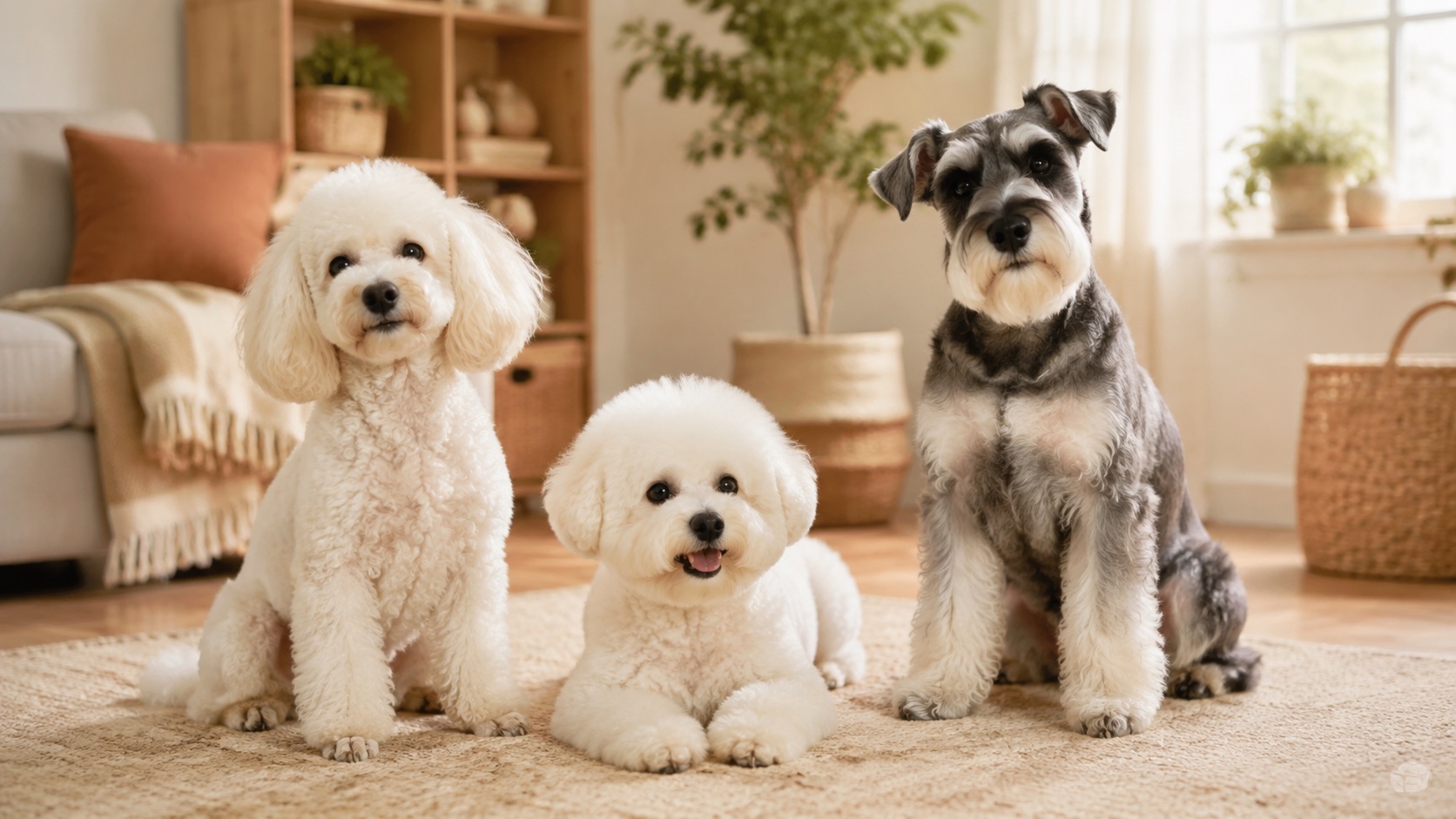
No dog breed is completely hypoallergenic. People who react to dogs can be sensitive to proteins in dander, saliva, or urine, and the response can differ from one dog to another. A low-shedding coat may reduce loose hair around the home, but it cannot guarantee an allergy-free experience.
This guide compares 10 breeds that families often research when they want a lower-shedding dog. Use it as a starting point for questions about coat care, activity, size, and temperament—not as medical advice or a promise that a particular puppy will be tolerated.
Before choosing a puppy when someone has allergies
- Talk with an allergist about symptoms, testing, and a personal management plan.
- Spend meaningful time with the specific dog more than once before making a commitment.
- Ask who will groom the dog and how often its coat normally needs professional care.
- Plan for cleaning, washable bedding, and keeping the bedroom pet-free if advised by your clinician.
- Do not rely on labels such as “hypoallergenic,” “non-shedding,” or a designer-breed name as a health guarantee.
10 low-shedding breeds families often compare
1. Poodle
Toy, Miniature, and Standard Poodles offer different size and activity profiles. Their curly coat sheds relatively little, but it needs regular brushing and professional grooming. Poodles are active, trainable dogs that benefit from daily mental and physical exercise.
2. Bichon Frise
The Bichon Frise is a small companion breed with a continuously growing coat. Families should budget time for brushing, bathing, and trimming. Social interaction and consistent training matter just as much as coat type.
3. Maltese
Maltese are small companion dogs with a long, low-shedding coat. That coat can be kept shorter for easier maintenance, but regular brushing and face care are still required. Their small size does not remove the need for training and safe handling around children.
4. Miniature Schnauzer
Miniature Schnauzers have a wiry double coat that is usually clipped or hand-stripped. They are alert, energetic dogs and may be vocal. Ask breeders about temperament, grooming routines, and health screening rather than choosing on coat alone.
5. Portuguese Water Dog
This medium-size working breed has a curly or wavy coat and substantial exercise needs. Regular grooming is necessary. An active household prepared for training, swimming safety, and daily engagement is a better match than a family choosing only for lower shedding.
6. Soft Coated Wheaten Terrier
Wheatens have a soft coat that sheds less than many breeds but can mat without consistent brushing. They retain terrier energy and enthusiasm, so prospective owners should consider training style, exercise, and grooming together.
7. Lagotto Romagnolo
The Lagotto Romagnolo is an active, intelligent dog with a dense curly coat. Coat care, enrichment, and early socialization are important. Families should look for clear health-testing information and meet the puppy or adult dog before deciding.
8. Coton de Tulear
Cotons are small companion dogs with a soft coat that requires frequent maintenance to prevent tangles. They generally want close contact with their people, so daily companionship and alone-time training should be part of the decision.
9. Chinese Crested
Chinese Cresteds may be hairless or coated. Hairless dogs still produce allergens, and exposed skin needs appropriate care and protection. Ask a veterinarian and experienced breeder about skin, dental, and grooming needs for the individual dog.
10. Xoloitzcuintli
Xoloitzcuintli come in hairless and coated varieties and several sizes. Hairlessness does not make a dog allergen-free. Prospective owners should understand skin care, socialization, exercise, and the temperament of the specific puppy and its parents.
Browse current lower-shedding puppy listings
If one of these breeds may fit your household, compare current listings, locations, prices, photos, and seller details on the corresponding breed page:
- Poodle puppies for sale
- Bichon Frise puppies for sale
- Maltese puppies for sale
- Miniature Schnauzer puppies for sale
- Coton de Tulear puppies for sale
Availability changes as sellers update their listings. Confirm allergy considerations with a clinician and verify current puppy details directly with the seller before making a commitment.
Questions to ask a breeder or seller
- Can we meet the puppy and, when possible, its mother before paying?
- What grooming schedule has this coat needed so far?
- Which breed-relevant health tests were completed on the parents, and can we verify the results?
- What are the puppy’s current vaccination and veterinary records?
- What does the written contract say about health disclosures, return terms, and pickup?
What “hypoallergenic” should mean in a puppy search
Treat the word as a search term, not a medical classification. The American Academy of Allergy, Asthma & Immunology states that there are no truly hypoallergenic dog or cat breeds. The Asthma and Allergy Foundation of America likewise explains that pet allergens come from proteins in dander, saliva, and urine. The American Kennel Club lists breeds commonly considered by allergy-sensitive households while also warning that no dog is completely hypoallergenic.
Read the supporting guidance from the American Academy of Allergy, Asthma & Immunology, the Asthma and Allergy Foundation of America, and the American Kennel Club. If symptoms are serious or include breathing problems, seek personalized medical advice before bringing a dog home.
Find the right individual dog, not just a label
Start with coat and size preferences, then compare energy, grooming, temperament, health documentation, and your household routine. Most importantly, test real-world exposure with the individual dog and follow your clinician’s advice. That process is more reliable than any “allergy-friendly puppy” promise.