
German Shepherd Puppies: Buyer Guide to Temperament, Health, and Training
German Shepherds need informed breeding, early socialization, reward-based training, daily mental and physical work, and careful management through adolescence.
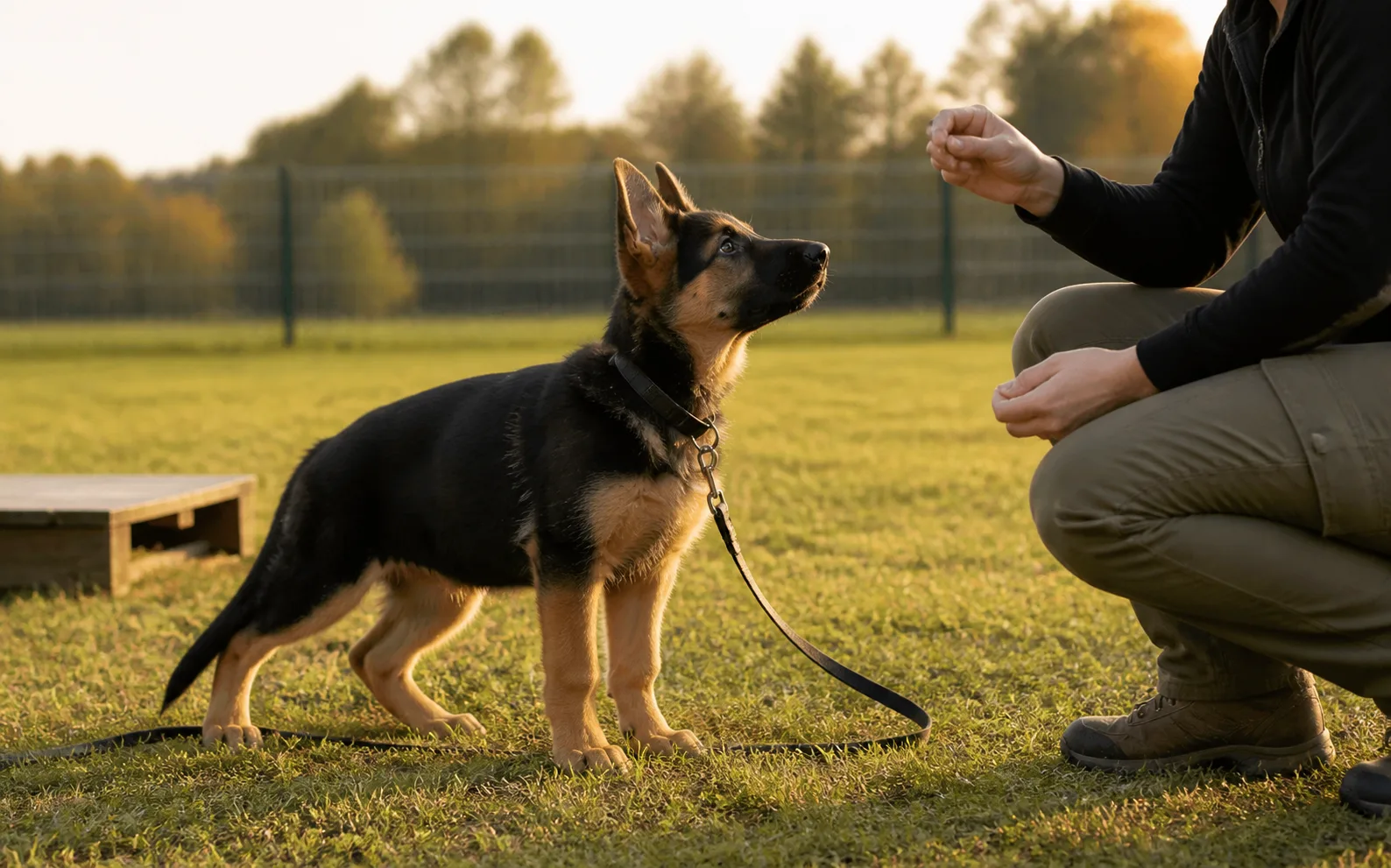
Quick answer: A German Shepherd can suit an experienced or well-supported household ready for a large, intelligent, observant dog that needs structured socialization, consistent reward-based training, daily engagement, and careful management. Parent temperament, structure, health records, and breeder judgment deserve close review before choosing a puppy.
Temperament and socialization priorities
German Shepherds were developed for versatile work and may be alert, responsive, and highly aware of changes around them. A stable dog should not be selected or trained for indiscriminate aggression. The goal is confidence, recovery, controllability, and appropriate neutrality.
Socialization means safe, positive exposure without overwhelming the puppy. Work with a qualified reward-based trainer on handling, surfaces, visitors, dogs, traffic, veterinary care, and calm observation. Forced greetings can create problems instead of preventing them.
- Reward calm attention and recovery.
- Teach cooperative handling and muzzle skills positively.
- Avoid punishment-based “protection” shortcuts.
- Supervise every interaction with children and animals.
Exercise, growth, coat, and home setup
Puppies need movement, play, training, exploration, and sleep, but growing joints should not be subjected to uncontrolled repetitive impact. Ask the veterinarian about body condition, nutrition, stairs, running, and sport preparation for the individual dog.
The double coat sheds and requires regular brushing. Plan for adult size and strength, secure boundaries, durable equipment, transport, quiet rest space, and enough time for ongoing learning beyond puppy class.
- Keep the growing puppy lean under veterinary guidance.
- Teach leash and recall foundations early.
- Provide mental work as well as physical activity.
- Prepare for seasonal shedding and adult strength.
How to assess breeders and litters
Ask what the breeder is trying to produce: family companions, working dogs, sport prospects, or another goal. Lines and individuals can differ considerably. The breeder should describe both strengths and management challenges honestly and match puppies to appropriate homes.
Verify the sire and dam’s identities and current breed-relevant health screening. Ask about temperament problems, orthopedic health, longevity, and close relatives. Observe the mother when possible and discuss how puppies are raised and evaluated.
- Review verified parent health results.
- Ask about working traits and household suitability.
- See current, interactive evidence of the litter.
- Read health, return, and support terms before paying.
Frequently asked questions
Are German Shepherds good family dogs?
They can be in prepared households that provide appropriate breeding, socialization, training, exercise, supervision, and management. Individual temperament matters greatly.
Do German Shepherds need protection training?
Most companion homes do not need it. Poorly designed protection work can increase risk. Build neutrality and control with qualified professional guidance.
Do German Shepherds shed?
Yes. Their double coat sheds throughout the year and often more heavily seasonally, so regular brushing and cleanup are expected.
Sources and review notes
Review the AKC German Shepherd Dog breed profile and the OFA CHIC program. Confirm current breed screening with the parent club and veterinarian. This article is educational and does not replace veterinary, legal, insurance, or financial advice.