
How to Reduce Puppy Biting With Positive Training
Manage normal puppy mouthing with rest, appropriate chews, calm redirection, reinforcement, and age-appropriate play.
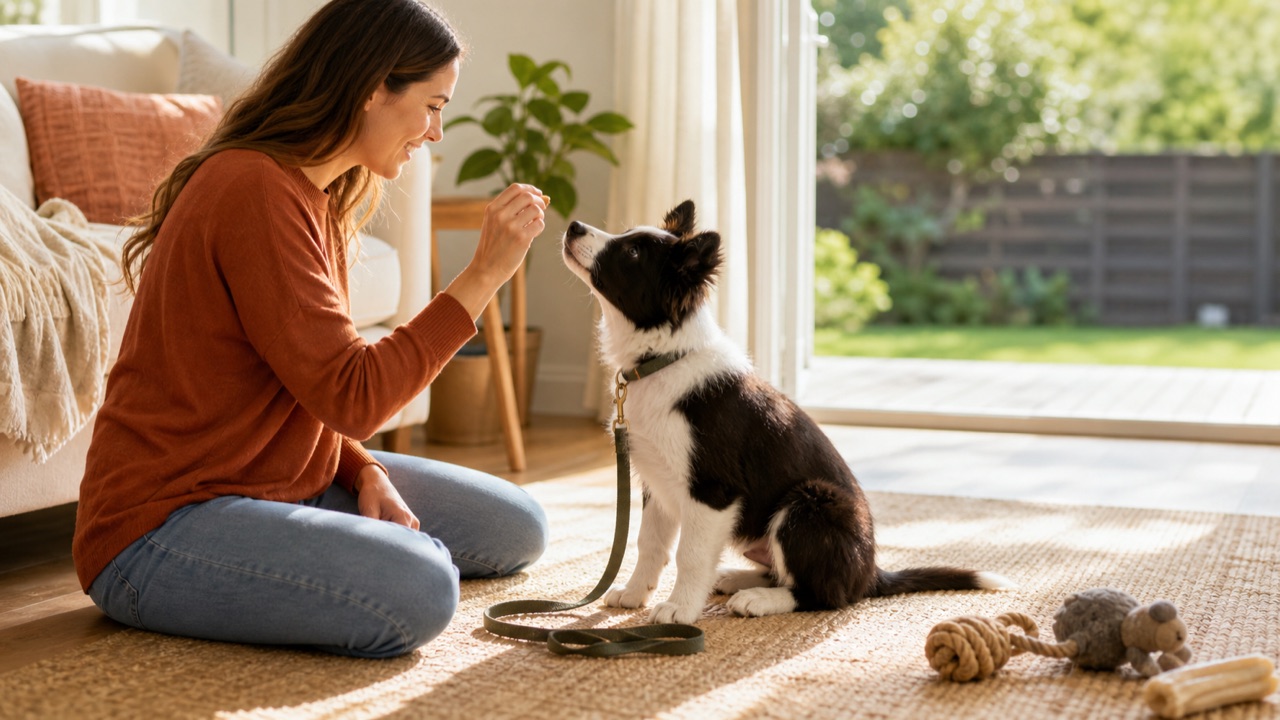
Manage normal puppy mouthing with rest, appropriate chews, calm redirection, reinforcement, and age-appropriate play.
Understand why the biting happens
Puppies explore with their mouths, play intensely, and may mouth more when teething, tired, frustrated, or overstimulated. Observe what happens immediately before the behavior so the solution matches the cause.
- Schedule enough sleep and quiet time.
- Offer safe chews with suitable size and supervision.
- End play briefly when arousal keeps rising.
Teach what earns continued interaction
Keep a toy within reach and redirect teeth toward it before the puppy grabs hands or clothing. Reinforce calm approaches, four paws on the floor, and gentle play with food, attention, or another game.
- Move slowly instead of turning hands into fast targets.
- Use a gate or pen for a short calm reset when needed.
- Keep children’s interactions actively supervised.
Avoid fear and physical punishment
Hitting, holding the muzzle, yelling, or dominance-based techniques can increase fear and conflict. AVSAB recommends humane, reward-based training rather than aversive methods.
- Do not provoke biting to test the puppy.
- Track improvement over weeks, not one session.
- Seek professional help for stiff posture, guarding, injury, or escalating intensity.
Key takeaway
Most puppy mouthing improves through development and consistent teaching. Safety and professional guidance matter when the behavior is intense or connected to fear.