
First-Year Puppy Vaccination Guide for New Owners
Understand how veterinarians build an individualized puppy vaccination plan based on age, records, lifestyle, location, and legal requirements.
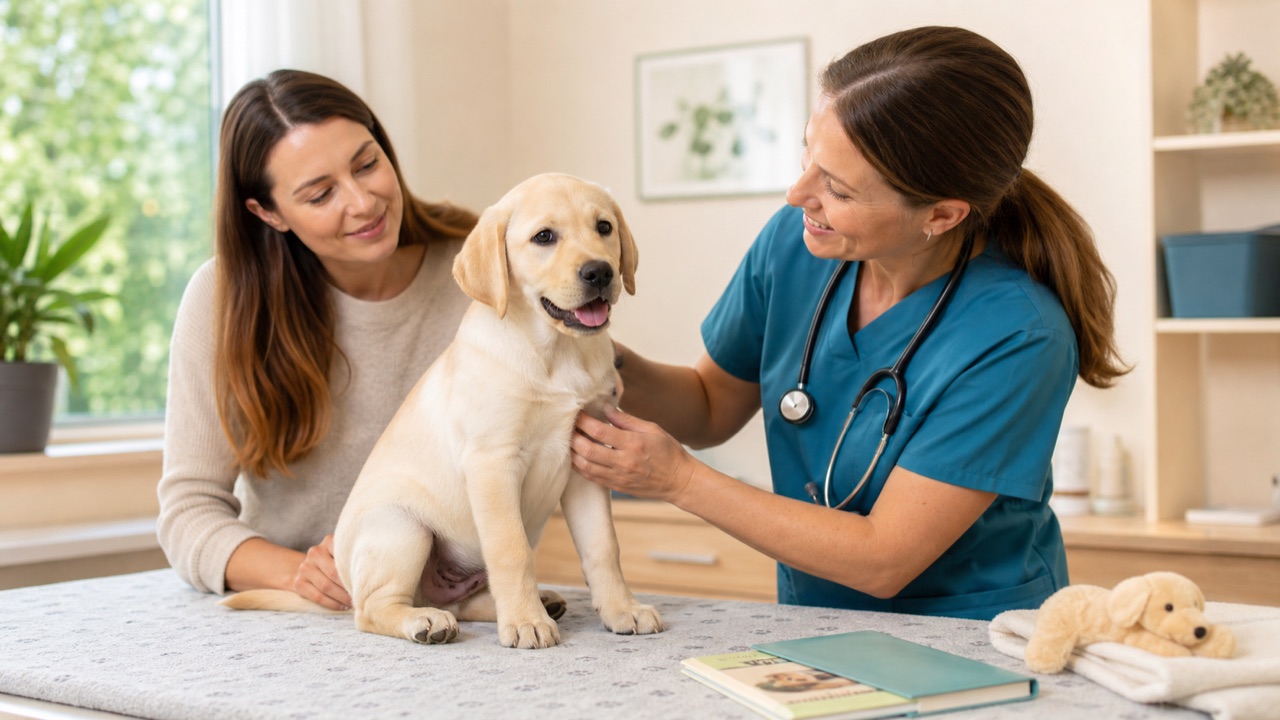
Understand how veterinarians build an individualized puppy vaccination plan based on age, records, lifestyle, location, and legal requirements.
Why puppy vaccine plans use a series
Maternal antibodies can affect how a young puppy responds to vaccination, so veterinarians use an age-appropriate initial series instead of assuming one visit creates complete protection. AAHA guidance recommends core protection for dogs and individualized decisions for additional lifestyle risks.
- Bring every breeder, shelter, or previous veterinary record to the first appointment.
- Ask which vaccines are considered core for your puppy and which depend on exposure risk.
- Confirm local rabies requirements with your veterinarian.
Lifestyle changes the conversation
Travel, boarding, grooming, wildlife exposure, regional disease patterns, and frequent contact with unfamiliar dogs can affect recommendations. A veterinarian should review these factors rather than copy another puppy’s schedule.
- Explain planned daycare, training classes, travel, and outdoor activities.
- Ask when each environment becomes appropriate for your puppy.
- Schedule the next visit before leaving the clinic.
Monitor after each visit
Most puppies continue their normal routine, but owners should ask the clinic what mild effects may occur and which signs need prompt attention. Keep the vaccination record available for classes, boarding, licensing, and future care.
- Follow the clinic’s instructions if appetite or activity changes.
- Seek urgent advice for breathing difficulty, collapse, or facial swelling.
- Do not alter the schedule without speaking to the veterinary team.
Key takeaway
This guide is educational, not a vaccination prescription. Your veterinarian should create the schedule for your puppy using current AAHA guidance and local law.