
New Puppy Vet Checklist for the First 30 Days
Prepare for your puppy’s first veterinary visits with records, questions, preventive care discussions, and a practical home observation list.
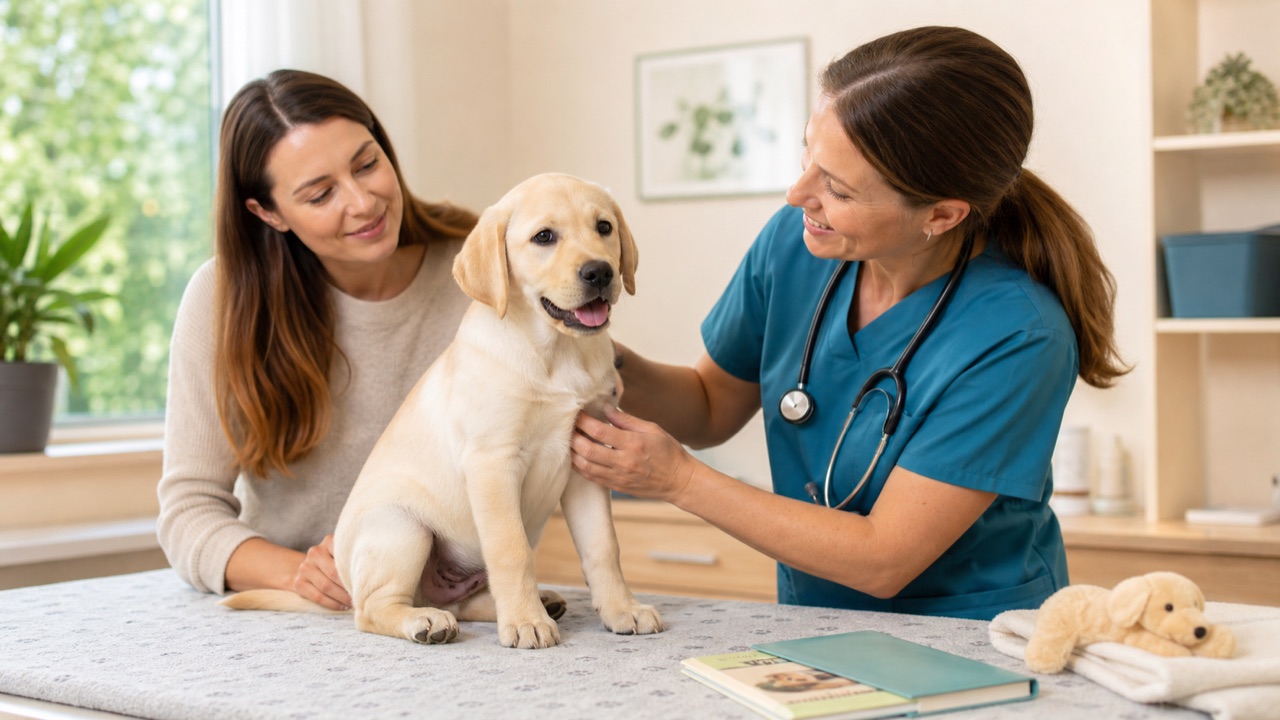
Prepare for your puppy’s first veterinary visits with records, questions, preventive care discussions, and a practical home observation list.
Book the first appointment early
Arrange an examination soon after pickup and follow any timing required by the purchase agreement. Ask the clinic whether a stool sample or other records should be brought to the appointment.
- Bring vaccination, deworming, microchip, and breeder or shelter records.
- Write down the food brand, portion, schedule, and recent appetite.
- List any coughing, vomiting, diarrhea, itching, limping, or unusual behavior.
Cover the whole puppy, not one symptom
A first visit is a chance to discuss body condition, teeth, skin, ears, heart and lungs, parasites, development, nutrition, and behavior. It also creates a baseline for later comparisons.
- Ask about flea, tick, heartworm, and intestinal parasite prevention for your area.
- Discuss microchip registration and identification details.
- Review safe exercise, sleep, grooming, and puppy-proofing.
Create the next-step plan
Before leaving, confirm the next appointment, vaccine plan, preventive products, expected growth monitoring, and the clinic’s after-hours process. Store the clinic number where every caregiver can find it.
- Know which changes can wait for a normal appointment.
- Know which signs require same-day or emergency care.
- Keep all medical documents under the puppy’s permanent name.
Key takeaway
A calm first-month plan helps you notice change early and gives your veterinary team better information for individualized care.